How to recycle aluminum radiators using a radiator stripping machine?
Aluminum radiators are everywhere—cars, trucks, air conditioners, industrial cooling systems—and when they reach the end of their life, they don’t belong in a landfill. They belong in a high-value recycling stream.
But here’s the challenge: aluminum radiators are not pure aluminum. They’re tightly bonded with copper tubes, steel frames, and sometimes plastic tanks. Manually separating these materials is slow, risky, and inefficient.
That’s where a radiator stripping machine changes everything.
Why Aluminum Radiator Recycling Matters More Than Ever
Recycling aluminum saves up to 95% of the energy required to produce primary aluminum.
Copper recovered from radiators can be 3–5 times more valuable than mixed scrap.
Automotive radiator waste is increasing every year due to vehicle replacement cycles.
In short: radiators are not waste—they’re hidden profit.
What Is a Radiator Stripping Machine?
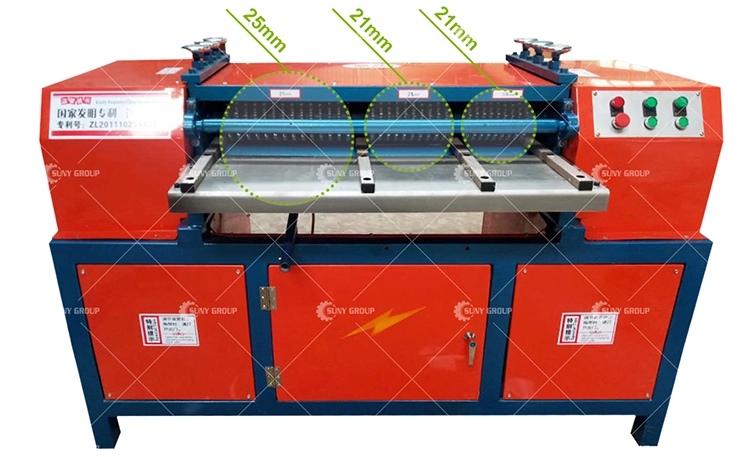
A radiator stripping machine is a specialized recycling machine designed to mechanically separate aluminum fins from copper tubes without shredding or melting.
Unlike shredders or hammer mills, stripping machines:
- Preserve material purity
- Produce clean, market-ready aluminum and copper
- Avoid dust, loss, and over-processing
This makes them ideal for scrap yards, metal recyclers, auto dismantlers, and recycling plants.
How to Recycle Aluminum Radiators Using a Radiator Stripping Machine
Step 1: Sort and Inspect Radiators
Start by sorting aluminum radiators from:
- Brass radiators
- Steel radiators
- Mixed or contaminated units
- Remove plastic tanks, rubber hoses, and steel brackets if needed. Clean input equals higher output value.
Pro tip: Pre-sorting improves stripping efficiency and reduces machine wear.
Step 2: Adjust the Machine for Radiator Size
Radiator stripping machines typically allow adjustment for:
- Radiator thickness
- Tube spacing
- Fin density
- Proper adjustment ensures:
- Clean separation
- No copper deformation
- Minimal aluminum loss
This step is crucial for maximizing recovery rates.
Step 3: Feed the Radiator Into the Stripping Machine
Once set up, feed the radiator into the machine manually or via a conveyor.
Inside the machine:
- Precision rollers grip the radiator
- Aluminum fins are peeled away
- Copper tubes remain intact
No crushing. No shredding. Just controlled separation.
Step 4: Collect Separated Aluminum and Copper
After stripping, you’ll get:
- Loose aluminum fins (clean, oil-free)
- Whole copper tubes (high-grade copper scrap)
- These materials can be sold separately at premium prices.
Many recyclers report 20–40% higher profits compared to selling mixed radiator scrap.
Recycling aluminum radiators using a radiator stripping machine is no longer optional for serious recyclers—it’s essential.
By following the right steps, using the right machine, and focusing on clean separation, you can:
- Unlock hidden value
- Increase profit margins
- Reduce environmental impact