What types of aluminum waste can the Waste Aluminum-Plastic Recycling Plant process?
Aluminum waste is everywhere—from food packaging and building panels to automotive parts and electronic scraps. But here’s the challenge: much of this aluminum is bonded with plastic, paper, paint, or polymers, making traditional recycling inefficient or outright impossible.
That’s where a Waste Aluminum-Plastic Recycling Plant becomes a game changer.
Designed specifically to handle complex, multi-layer aluminum waste, this plant separates aluminum from plastics and other bonded materials efficiently, safely, and at scale. If you’re a recycler, waste management operator, or investor wondering what types of aluminum waste this plant can actually process, this guide gives you clear, practical answers—without fluff.
What Is a Waste Aluminum-Plastic Recycling Plant?
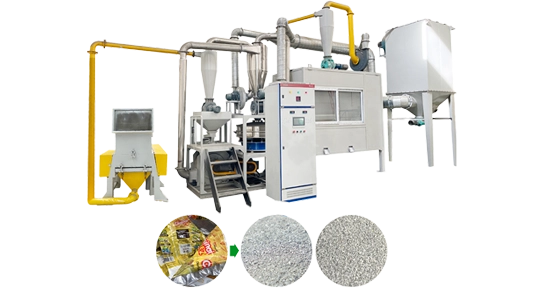
A Waste Aluminum-Plastic Recycling Plant is an integrated recycling system that uses mechanical crushing, and physical sorting technologies to process aluminum waste that contains plastics, coatings, adhesives, or composite layers.
Unlike basic shredding lines, these plants are built for high-value aluminum recovery from previously “unrecyclable” materials.
10 Major Types of Aluminum Waste the Plant Can Process
1. Aluminum Composite Panels (ACP / ACM Panels)
One of the most common and profitable feedstocks.
Used in: building façades, signage, curtain walls
Composition: aluminum sheets + polyethylene (PE) core
Recycling result:
≥99% pure aluminum
Clean plastic residue
Why it matters: ACP waste is increasing rapidly due to demolition and renovation projects worldwide.
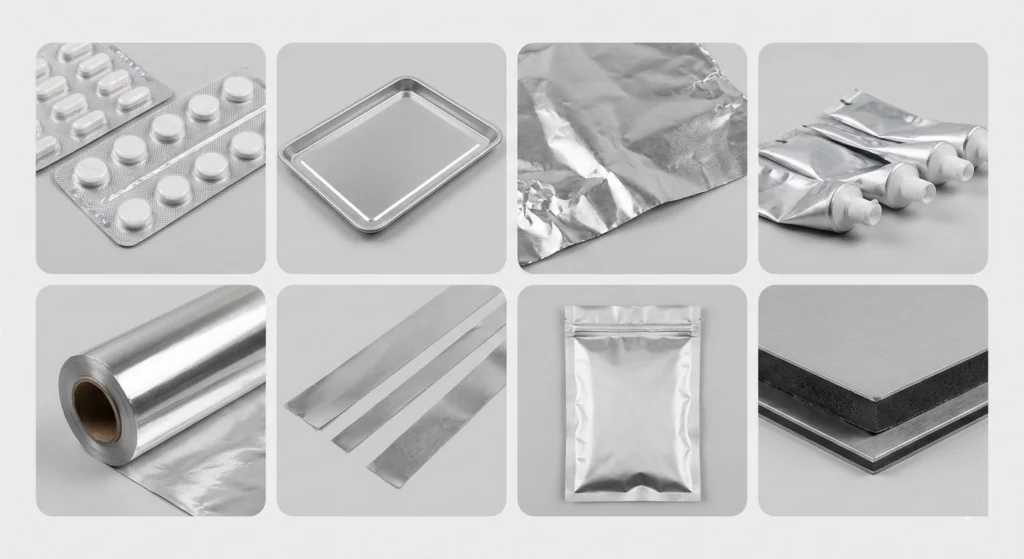
2. Aluminum-Plastic Packaging Waste
Includes:
Food pouches
Coffee sachets
Pharmaceutical blister packs
These materials are thin, layered, and traditionally landfilled.
Recycling advantage:
Thermal separation systems can completely delaminate aluminum foil from plastic films, recovering high-purity aluminum flakes.
3. Aluminum-Plastic Milk and Juice Cartons
Examples:
Tetra Pak-style cartons
Aseptic beverage packaging
Structure: paper + plastic + aluminum foil
While paper is often recycled separately, the aluminum-plastic fraction is perfectly suited for aluminum-plastic recycling plants.
4. Aluminum Radiators with Plastic or Rubber Residue
Common in:
Automotive radiators
HVAC systems
Industrial cooling units
These radiators often contain plastic tanks, rubber seals, and coatings.
Result:
After stripping and separation, recyclers obtain clean aluminum fins and copper components, significantly increasing resale value.
5. Painted or Coated Aluminum Scrap
Includes:
Painted aluminum sheets
Coated profiles
Printed aluminum waste
A Waste Aluminum-Plastic Recycling Plant can:
Remove paint and coatings
Recover aluminum without oxidation loss
This is especially useful for post-consumer and demolition scrap.
6. Aluminum-Plastic Cable Scrap
Found in:
Communication cables
Automotive wiring
Household appliances
Unlike copper-focused cable recycling, aluminum-plastic plants handle aluminum conductors bonded with plastic insulation efficiently.
7. Aluminum-Plastic Medical Packaging Waste
Examples:
Pharmaceutical blister packs
Medical sterile packaging
This waste is:
Lightweight
High in aluminum content
Growing fast due to healthcare expansion
Key benefit: safe, controlled thermal processing eliminates contamination risks.
8. Aluminum Cans with Coatings or Labels
While clean cans are easy to recycle, contaminated or heavily printed cans are often rejected.
These plants:
Remove paint and organic layers
Produce clean aluminum scrap suitable for remelting
9. Aluminum-Plastic Industrial Scrap
Includes:
Factory offcuts
Laminated aluminum sheets
Production rejects
This is a high-volume, consistent feedstock, ideal for continuous recycling plant operation.
10. Mixed Aluminum-Plastic Waste Streams
One of the biggest advantages:
The plant can process mixed input without extensive pre-sorting.
This includes:
- Shredded municipal waste fractions
- Post-industrial composite scrap
- Complex aluminum-plastic blends
Result: higher throughput, lower labor costs, faster ROI.
A Waste Aluminum-Plastic Recycling Plant isn’t just a machine—it’s a solution to one of recycling’s biggest bottlenecks.
From ACP panels and food packaging to radiators and medical waste, this technology unlocks value from materials once considered unrecyclable. If you’re serious about future-proofing your recycling business, understanding what this plant can process is the first smart step.